
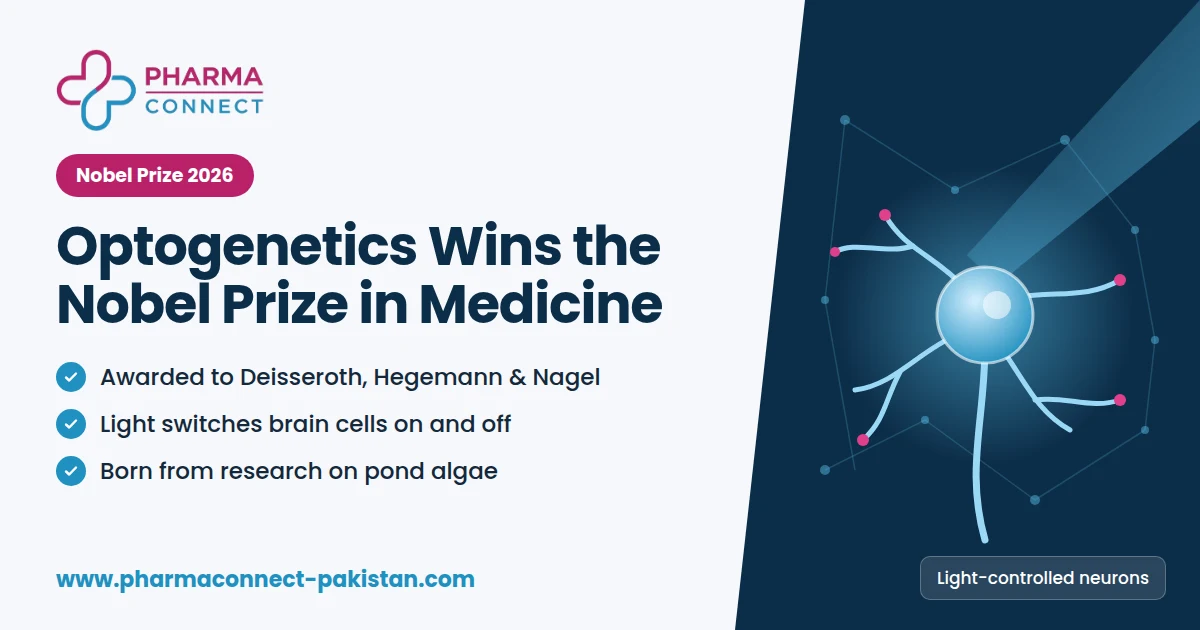
Three scientists won the 2026 Nobel Prize in Medicine for optogenetics, a method that uses light to control brain cells. Here is how it works.
The 2026 Nobel Prize in Physiology or Medicine was awarded on 5 October 2026 to Karl Deisseroth, Peter Hegemann and Georg Nagel for their ground-breaking discoveries of light-gated ion channels, in particular channelrhodopsins, and the development of optogenetics. This revolutionary technique represents a major leap forward for neuroscience studies and potential clinical applications as it allows precise control over neuron activity using light.
THE BRAIN'S WIRING PROBLEMS
━━━━━━━━━━━━━━━━━━━━━━━━━━━
The Nobel Committee said optogenetics which uses light to control activity of brain cells, held the promise of mapping functions of the brain, an opportunity once only dreamt of. The brain is a complex organ, with billions of neurons knotted in networks, so getting at specific cell types was a challenge. Traditional electrode techniques inadvertently stimulate neighboring neurons, complicating research efforts. Optogenetics addresses this problem by offering a method for cell-type specific activation or inhibition of neurons within living organisms.
THE POND ALGAE CHANGES THE NEUROSCIENCE
━━━━━━━━━━━━━━━━━━━━━━━━━━━━━━━━━━━━━━━
The technology originated from basic research on the green alga Chlamydomonas. Hegemann's early work on the swimming of this alga toward light led to the discovery in 2002 of channelrhodopsin-1 (ChR1) and in 2003 of channelrhodopsin-2 (ChR2), a cation-selective channel activated by blue light. What was new was that ChR2 could be genetically engineered into other cell types, making them light-sensitive.
THE 2005 BREAKOUT
━━━━━━━━━━━━━━━━━
In 2005, Deisseroth's lab demonstrated the effectiveness of ChR2 in mammalian neurons, providing the first foundational paper in the discipline of optogenetics. This innovation has now become a multimodal toolkit that permits more sophisticated studies of neural circuits. By genetically modifying specific classes of neurons, researchers can control neural activity using light, increasing precision in neural activity manipulation and improving knowledge of disorders such as movement disorders and memory processes.
MEMORY, SLEEP AND RESTORING SIGHT
━━━━━━━━━━━━━━━━━━━━━━━━━━━━━━━━━
Crucially, optogenetics has uncovered causal relationships between specific neural circuits and behaviors, for instance activating specific neurons to induce wakefulness in mice or to retrieve memory traces. The Nobel announcement also underscored its potential in restorative therapies, including attempts to restore sight in the visually impaired, as shown in a 2021 case study involving optogenetic therapy in a blind patient. The present uses in humans, while promising, are still experimental and most research with optogenetics still happens in animal models.
CURIOSITY PAYS OFF
━━━━━━━━━━━━━━━━━━
The laureates' individual achievements make this Nobel Prize important, but it is also important as evidence of the power of curiosity-driven research. Today, the discoveries that began with a 20-year investigation of algal behavior are coming to fruition in the form of a versatile and widely used tool in neuroscience studies. The committee congratulated the laureates for laying the foundation for a revolutionary era in neuroscience, a pivotal moment in understanding and manipulating brain function.
REFERENCES
━━━━━━━━━━
-- The Nobel Prize in Physiology or Medicine 2026 – NobelPrize.org (https://www.nobelprize.org/prizes/medicine/2026/summary/) .
- Nagel G. et al. (2003). Channelrhodopsin-2, a directly light-gated cation-selective membrane channel. PNAS.
- Boyden E. S. et al. (2005). Millisecond-timescale, genetically targeted optical control of neural activity. Nature Neuroscience.
- Sahel J.-A. et al. (2021). Partial recovery of visual function in a blind patient after optogenetic therapy. Nature Medicine.